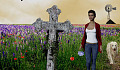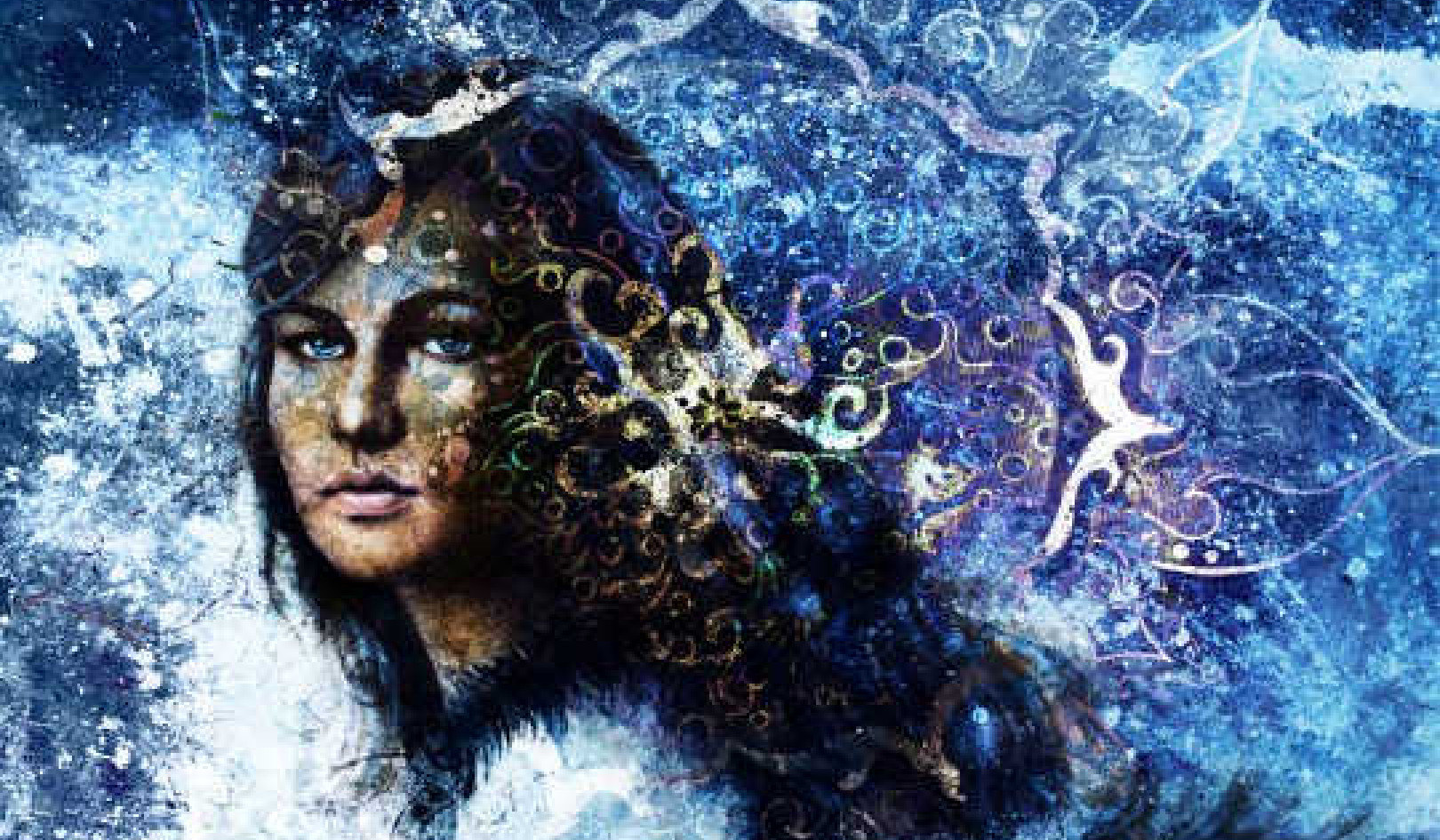

一家人其乐融融地坐在草地上。
图片由 Charles McArthur

Kindness, compassion, decency, dignity, selflessness, and the ways of love and holiness are taught and learned attitudes and behaviors. Sadly, so are nationalism, racism, misogyny, homophobia, prejudice, discrimination, bigotry, and hatred.

We, the parents—the Earthly stewards of these precious souls—are the ones who take a totally helpless little baby, completely dependent on us for survival, and oversee this child’s physical development and social formation. We are the ones who make the choices and convey the lessons—by word and deed, wittingly and unwittingly—that shape a young person’s ethics and values, point of view, and priorities.

A young sister and brother were following their father on a hike up a steep and curvy mountain. As the trek became more dangerous, their mother, who was at the back of the procession, called out to her husband, “Be careful. Our children are walking in your footsteps.”

The stark truth: All it takes is a few minutes of passion to become a parent. It takes a lifetime to be a parent. And it is not easy being a parent these days.

It's Not Easy Being a Child These Days

As soon as they are old enough to comprehend the daily news, our children hear about violence and warfare and untold human suffering in the four corners of the Earth. They learn about rape and murder and all manner of mayhem just around the corner from home.


内心订阅图形


As they grow older, they are tempted by alcohol and drugs; their lives are threatened by sexually transmitted disease. The pressures to succeed at school and at play are fierce; they worry that at any moment their classroom or playground might be riddled with bullets.

They see a culture increasingly marked by selfishness and self-interest, personal pleasure and instant gratification. They see a world that all too often has a hard time discerning the difference between right and wrong.

They are confused and bewildered. And they are afraid. It is not easy being a child these days.

What Children Need

So our children desperately need wise guidance and clear direction, unequivocal ethical values and boundless love. Our children need us, their parents who gave them life, to teach them how to live.

It is parents who teach children how to be a man, how to be a woman, how to be a decent human being.

It is parents who teach our children core values—personal responsibility, striving for the common good, hard work, strong ethical principles, and high moral character.

It is parents who teach our children goodness and right, kindness and compassion, faith, holiness, and love.

It is parents who guide our children toward the transcendent world of Spirit.

我们如何才能成为最好的父母?

The key to good parenting is conscious parenting:

being fully aware—making sure that what we do with our children is well-conceived, well-planned, well-executed;

保持正念—carefully thinking about the choices we make, the words we speak, the actions we take;

being loving—respecting our children as human beings, considering their feelings, responding to their needs;

being purposeful—being in touch with our children’s inner spirit and cognizant of their place in the universe.

With gender appropriateness, “Train up a child in the way he should go, and when he is old, he will not depart from it” (Prov. 22:6).

Teaching Our Children Well

Here are just a few ways that we can best parent our children toward a life of love and holiness:

1. Sing, read, and cultivate culture.

In the womb and from their first breaths on Earth, we can expose our children to the melodies, harmonies, rhythms, and words of life. We can give them the great music, literature, art, drama, dance, and museums of human civilization. We can help them be culturally literate. We can show them the great value of Earth’s beauty and the natural wonders of our universe.

2. Eat with them.

We can nourish not only our children’s bodies but also their souls with our presence and conversation at mealtime. We can give them our undivided attention. We can listen to them; talk to them; share our history, wisdom, and guidance.

3. Visit with them.

We can expand our children’s universe by taking them to visit grandparents, aunts, uncles, cousins to know family legend and lore. And we can make playdates for them to be with friends to learn socialization and grace. We can introduce them to our friends so that they learn respect and good manners.

4. Take them to school and monitor their homework and grades.

We can let the teacher know that we are partners in our children’s education, and we can supervise their learning. The old Welsh poet George Herbert left us with this truth: “One parent is more than one hundred schoolmasters.”

5. Turn on the television and computer/turn off the television and computer; provide cell phone/take away cell phone.

Modern technology puts the world right before our children’s eyes and ears. They can see and virtually experience both the greatest of human civilization, and humanity at its most debased. They can be connected for their safety, mind-expansion, and enjoyment—or they can become dependent upon a machine to do their thinking, imagining, and creating. Parents hold the power of technology in the finger that turns the devices on or off. We can use that power wisely.

6. 创造一个安全的空间。

In this uncertain and sometimes frightening world, we can make our homes safe and secure havens for our children. We can give them one little corner of the world where there is trust, well-being, and serenity—a place that is comfortable and comforting.

7. Do not —

     —scream or yell at our children. It frightens them.
     —bully them with our strength or power. It intimidates them.
     —physically abuse them. It traumatizes them.
     —sexually abuse them. It wounds them.
     —lie or violate their trust. It scares them. 
     —smoke, drink, or do drugs. It damages them.

If we err and somehow emotionally hurt our children, we can first recognize our mistake, admit our failing, ask forgiveness, and let our love overcome. And if necessary, we can get them the outside professional help that they need to heal. We and our children can grow together. As the late First Lady of the United States, Barbara Bush once said, “You have to love your children unselfishly. That’s hard. But it’s the only way.”

8. Pray, meditate, or be quiet together.

In the chaos of the everyday, we can take a few moments with our children to seek a deep connection beyond this Earth-world. In humility, awe, gratitude, and joy we can sense the wonder of being alive and the Oneness of everything and everyone. We and our children can touch the absolute core of our beings, meet ourselves in ourselves, and shape the unlimited possibility and unbounded potential that is in us.

9. Hug them, kiss them, tell them, “I love you.”

In this uncertain world, our children must be absolutely certain of one thing—that we love them unconditionally with all our hearts and souls. We can assure them over and over again with words and with displays of affection. Love. Love. Love.

10. Teach them to swim.

What a strange ancient injunction for modern parents from The Talmud (BT Kiddushin 29a). But it makes perfect sense. When we teach our children to swim, we teach them how to survive and thrive in a foreign environment. And as parents, we learn how long to hold on and when to let go.

Even as we parents embrace the difficult but profound task of slowly letting go of our children as they grow, we need to remember that as we are, so 他们 will be. It is told that:

A woman brought her son to the great sage Mahatma Gandhi and said, “Please Master. Please tell my son to stop eating sugar.”

Gandhi looked deeply into the boy’s eyes, and replied, “Madam, please bring your son back to me in two weeks.”

The woman said, “Please Master. Please. Cannot you tell him now? Why must we wait for two weeks? And besides, we have come a long way by train. We will have to go home now and come back again. It is a long and expensive trip. Please, Master. Please tell my son right now to stop eating sugar.”

Again, Gandhi looked deeply into the boy’s eyes, and said, Madam, please bring your son back to me in two weeks.”

The woman had no choice. She and her son returned home, and two weeks later traveled again to see the Master.

In his holy presence, she once again implored, “Please Master. Please tell my son to stop eating sugar.”

Gandhi looked deeply into the boy’s eyes, and said, “Stop eating sugar.”

Oh, thank you, Master. Thank you so very much. I am sure that my son will follow your words and stop eating sugar. But, please tell me. When we first came to you, why did you send us away and tell us to come back in two weeks?”

Gandhi looked at the woman and her son and said, “You see, Madam, it is very simple. Two weeks ago, I was eating sugar.”

Children's Sense of Purpose and Destiny

Children being born right now are coming into being in order to transform our Earth. They are extremely intelligent, highly gifted, exceptionally talented, deeply intuitive, incredibly creative, full of energy, self-reliant and self-sufficient, and happily precocious. They are wise “old souls” who have a keen sense of purpose and destiny. They have come here to shift the paradigms of the old structures, rules, and authorities in order to build a new world of compassion, holiness, and love.

For some, the wild imperfection of this world sears their souls, and in their emotional and spiritual pain they 表演, 别 go along, and don’t 相处. Sometimes they are in high stress and 打出来的 their pain through aggressive behavior.

Yet they are not to be judged negatively, treated harshly, diagnosed flippantly, or medicated blithely. For, in reality these magnificent children carrying their vison of perfection for our world are our pathfinders who react painfully when they see a world that is far less than they know it must be.

Our precious children are pure channels of God who know and remember the Divine blueprint for the universe. They are at a higher soul, or “vibrational” level, than any human beings who have ever before come to Earth.

This is why being a parent these days is more important than ever. We are the ones who must make sure that our children’s holy light is not stifled or extinguished. We are the ones who will encourage and support them as they envision and enact the evolution and transformation of our Earth.

Our children need us.
Our children are counting on us.
We can teach our children well.
We can be their champion.
We can be their hero.

版权所有2021。保留所有权利。
经出版商许可转载
鮟鱇鱼图书出版社。 MonkfishPublishing.com/

文章来源

彻底的爱:一位上帝,一个世界,一个民族
作者:韦恩·多西克。
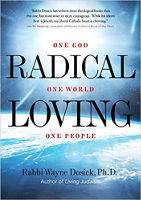
书籍封面:激进的爱:一个上帝,一个世界,一个民族,作者:韦恩·多西克。对我们许多人来说,感觉我们的世界正在分崩离析。长期以来根深蒂固、习以为常的信念正在被打破,我们面临着前所未有的问题和挑战。我们该如何弥合困扰我们的阶级、种族、宗教和文化之间的巨大鸿沟?我们该如何战胜性别歧视、顽固的原教旨主义、肆无忌惮的民族主义、毫无意义的仇恨和暴力恐怖主义?我们该如何拯救我们珍贵的星球,使其免遭生存威胁?

本书以大胆、富有远见且充满灵性的视角,描绘了我们这个新兴世界通过彻底的爱和日常的神圣感,实现救赎、转变和进化的蓝图。书中融合了古老的智慧和现代的表达方式,穿插着温馨动人的故事、深刻的洞见和温和的指引。 激进的爱 这是对复兴和合一的呼唤,也是对地球可以再次成为伊甸园的承诺。

如需了解更多信息或订购本书,请点击此处。另有 Kindle 版本。

关于作者
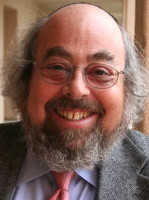
韦恩·多西克博士(Rabbi Wayne Dosick, Ph.D., DD)的照片韦恩·多西克(Wayne Dosick)博士,拥有神学博士学位,是一位教育家、作家和精神导师,致力于信仰、伦理价值观、人生转变和人类意识发展等方面的教学和咨询。他以其卓越的学术造诣和虔诚的精神而闻名,是伊利亚·米尼扬(Elijah Minyan)的拉比,圣地亚哥大学的退休客座教授,以及每月在HealthyLife.net网站播出的网络广播节目“SpiritTalk Live!”的主持人。

他是九部广受好评的获奖作品的作者,其中包括如今已成为经典的…… 活的犹太教黄金法则商业圣经当生活充满痛苦时20分钟卡巴拉灵魂犹太教最好的尚未到来赋能你的靛蓝儿童,以及最近的一次 神的真名:拥抱神圣的全部本质.

欲了解更多信息,请访问: https://elijahminyan.com/rabbi-wayne

作者的其他作品.